Yag Tattoo Removal Laser Tips for Effective and Safe Treatments?
The Yag Tattoo Removal Laser is increasingly recognized for its efficacy and safety in tattoo removal. Studies show that over 20% of individuals regret their tattoos, highlighting a growing demand for effective removal options. The Yag Laser, with its specific wavelength, effectively targets ink pigments, ensuring a higher success rate.
However, the process requires expert knowledge to minimize potential side effects. Clinical data reveals that up to 30% of patients experience mild skin irritation post-treatment. Understanding the right settings and techniques is crucial for successful outcomes. This emphasizes the need for practitioners to be well-trained.
Despite advancements, challenges remain in achieving complete ink removal, especially for stubborn colors. Continuous learning and adaptation are essential for professionals in this evolving field. Thus, while the Yag Tattoo Removal Laser provides promising results, careful consideration and expertise are vital for safe and effective treatments.
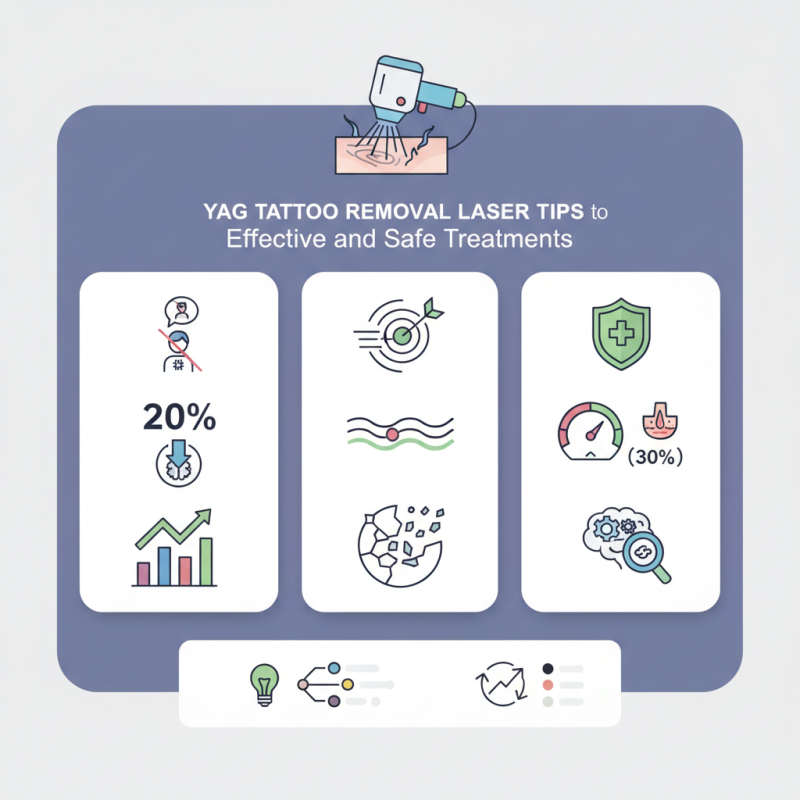
Understanding Yag Laser Technology for Tattoo Removal
Yag laser technology has transformed tattoo removal, making it a safer and more effective option. This method uses specific wavelengths of light to target tattoo pigments while preserving the surrounding skin. The precision of the Yag laser allows for better outcomes with fewer side effects. Each session can effectively lighten or eliminate unwanted tattoos without extensive recovery time.
While Yag lasers are generally safe, individual experiences can vary. Factors like skin type, tattoo age, and colors used impact results. It's essential to have realistic expectations. Some colors respond better than others; for example, darker shades typically fade more easily than lighter ones. Patients often report needing multiple sessions, which can be time-consuming and costly.
Finding a qualified professional is crucial. Look for someone with extensive experience in laser treatments. Their knowledge can make a significant difference in the outcome. Always ask about the technology used and the procedure details. Transparency can build trust and ensure a better experience. Communication between the patient and practitioner is key. Discussing any concerns openly can lead to a more personalized approach, ultimately leading to better results.
Preparing for Your Yag Laser Tattoo Removal Session
Preparing for your Yag laser tattoo removal session requires careful thought and planning. Understanding the procedure can significantly impact your experience. Research indicates that 90% of individuals seeking tattoo removal do so for personal and professional reasons. By setting clear expectations, you can ensure a smoother process.
Before your session, it's crucial to consult a qualified practitioner. Their expertise will help assess your unique tattoo characteristics. For instance, ink colors, skin type, and tattoo depth influence removal effectiveness. Studies show that darker inks, like black and blue, respond better to Yag lasers than lighter shades. The laser's wavelength allows for precise targeting while minimizing skin damage.
Hydration plays a vital role in the preparation process. Drinking plenty of water before your appointment helps improve skin elasticity. Additionally, avoid sun exposure for at least two weeks prior to treatment. This practice reduces the risk of pigmentation changes during removal. It's understandable to feel anxious about the procedure, but being well-prepared can increase your confidence and comfort levels. The healing journey may also require patience, as multiple sessions are often necessary for complete removal.
Yag Laser Tattoo Removal - Session Preparation Statistics
Best Practices for Post-Treatment Skin Care
After undergoing Yag tattoo removal laser treatments, proper post-care is essential for recovery. The skin may feel tender and appear red immediately after the process. Keeping the treated area clean is crucial. Use mild, fragrance-free cleansers to wash the skin gently. Pat the area dry instead of rubbing it. This minimizes irritation and promotes healing.
Moisturizing is vital. A gentle, hydrating lotion can help alleviate dryness. Look for ingredients like aloe vera or hyaluronic acid, known for their soothing properties. Remember, the skin needs time to heal. Avoid direct sunlight to prevent further damage. When going outside, wear protective clothing or apply a broad-spectrum sunscreen. Heat can be aggravating, so steer clear of hot showers or saunas for a few days.
It’s essential to monitor your skin for unusual changes. Swelling or persistent redness may require professional attention. If discomfort increases, don't hesitate to consult a medical expert. Reflecting on personal care routines can lead to better practices. Each person's skin reacts differently, and understanding your unique responses can enhance your healing journey. Embrace the process; it takes time for optimal results.
Potential Side Effects and How to Manage Them
When considering Yag tattoo removal lasers, it's essential to be aware of potential side effects. Skin irritation, redness, and swelling are common post-treatment reactions. They often subside within a few hours, but some individuals may experience prolonged effects. Protecting the treated area from sun exposure is crucial, as this can lead to hyperpigmentation.
Tips for managing side effects include applying a cold compress immediately after treatment. This can help soothe irritation and reduce swelling. Over-the-counter pain relief may also alleviate discomfort. Keeping the skin moisturized can prevent dryness and promote healing.
Watch for signs of infection, such as excessive redness, warmth, or pus. If any of these occur, consult a healthcare professional promptly. Each individual's skin may react differently, highlighting the need for professional guidance during the removal process. Always seek advice from a qualified specialist who can provide tailored recommendations based on your skin type and tattoo history.
Maintaining Results: Follow-Up Treatments and Long-Term Care
To maintain the results from Yag tattoo removal, follow-up treatments play a crucial role. After the initial sessions, your skin needs time to heal. Wait several weeks before scheduling the next appointment. This pause allows the body to process the ink particles and reduce inflammation. Monitor your skin for any adverse reactions, such as redness or swelling. These signs are normal but should diminish over time.
Long-term care is just as essential. Hydration is key; keep your skin well-moisturized to support healing. Avoid sun exposure, as UV rays can hinder recovery. Apply sunscreen regularly to protect the treated areas. If any scabbing occurs, never pick at it; let it fall away naturally to prevent scarring.
Tips for effective aftercare include staying hydrated and maintaining a balanced diet rich in vitamins. Gentle cleansing can help, but steer clear of harsh scrubs. Regularly check on your skin's reaction and consult a professional if anything seems off. Keeping a journal of your healing process can also provide insight into what works best for you.
Yag Tattoo Removal Laser Tips for Effective and Safe Treatments
| Tip | Details | Follow-Up Treatment Interval | Long-Term Care |
| Consultation | Always have a consultation to assess tattoo and skin type. | N/A | Follow post-treatment care instructions. |
| Testing | Perform patch tests to check skin reaction. | Before first full session | Monitor skin sensitivity. |
| Laser Settings | Adjust settings based on individual skin and tattoo pigment. | Every session | Keep skin moisturized. |
| Post-Treatment Care | Avoid sun exposure and apply healing ointment. | After each session | Use sunscreen on treated areas. |
| Duration Between Treatments | Wait 6-8 weeks for best results between sessions. | 6-8 weeks | Stay hydrated and maintain a healthy diet. |