What is Storage Tank Insulation and Why is it Important?
storage tank insulation plays a crucial role in the efficiency of various industries. It not only impacts energy consumption but also affects the overall safety and environmental footprint. According to a report from the U.S. Department of Energy, proper insulation can reduce energy losses by up to 40%. This statistic highlights the importance of insulating storage tanks effectively.
Industry expert Dr. Emily Carter states, "Optimizing storage tank insulation is key to minimizing energy waste." Her insights reflect a growing recognition that effective insulation is essential for operational efficiency. Many facilities still overlook this critical area, leading to substantial energy loss and heightened operational costs.
Despite advancements in insulation materials, many outdated tanks remain inadequately insulated. This situation invites scrutiny and calls for improvement. Companies that invest in quality storage tank insulation often see significant returns. Ignoring this aspect can lead to both financial waste and increased carbon footprints. As industries evolve, it becomes increasingly vital to prioritize proper insulation in storage tank operations.
What is Storage Tank Insulation?
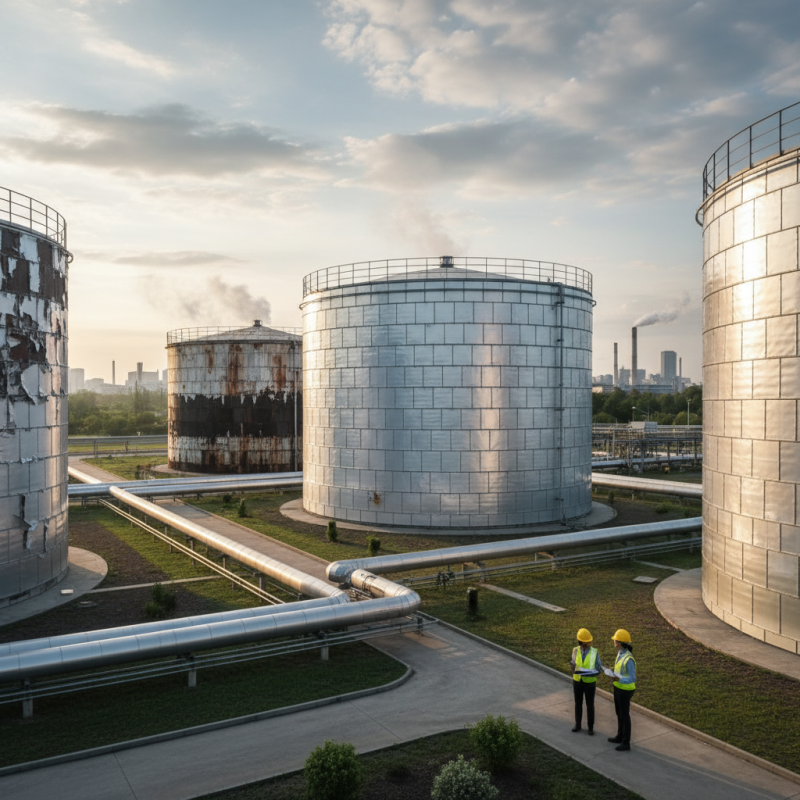
Storage tank insulation is a critical component in various industries. It involves enclosing tanks with insulating materials to reduce heat transfer. This helps maintain the temperature of the contents, whether they're liquids or gases. The effectiveness of this insulation directly impacts energy consumption and overall efficiency.
Proper insulation can reduce energy costs significantly. With a well-insulated storage tank, less energy is required to maintain ideal temperatures. This can lead to substantial savings over time. However, poor insulation can result in wasted energy and increased operational costs.
Tips: Always check for visible wear and tear on insulation. Evaluate the condition regularly to ensure efficiency. If you notice temperature fluctuations, it might be a sign to reassess existing insulation.
Moreover, insulation prevents condensation. This is crucial, especially for tanks holding sensitive materials. However, if not installed correctly, insulation may trap moisture. This can lead to corrosion over time. Regular maintenance helps mitigate these risks. Effective storage tank insulation also improves safety by preventing overheating or accidental spills. Investing in high-quality insulation can pay off, but it requires careful planning and assessment of the specific needs of each tank.
Types of Insulation Materials Used for Storage Tanks
Storage tank insulation plays a crucial role in maintaining the efficiency of industrial processes. Proper insulation reduces heat loss and minimizes energy costs. According to a study by the U.S. Department of Energy, insulated storage tanks can save up to 20% in energy costs. The choice of insulation material significantly impacts performance and overall effectiveness.
Common types of insulation materials for storage tanks include fiberglass, polyurethane foam, and mineral wool. Fiberglass insulation is lightweight and provides good thermal performance. It can withstand temperatures up to 400°F. Polyurethane foam, known for its excellent thermal resistance, is often used for lower temperature applications. Mineral wool is another option, offering fire resistance and sound insulation properties. Each material has its strengths and weaknesses.
It's essential to choose the right insulation based on the specific requirements of the storage tank. Factors such as temperature range, environmental conditions, and application types must be considered. Some materials may not perform well under certain conditions, leading to inefficiencies. Decision-makers must remain critical of their choices and verify that they align with energy-saving goals while meeting safety standards.
Benefits of Insulating Storage Tanks
Insulating storage tanks is vital for several reasons. Proper insulation maintains the temperature of the contents, be it liquids or gases. This temperature control prevents energy loss and ensures optimal performance. When substances are kept at their ideal temperatures, this leads to increased efficiency.
Energy costs can rise significantly when tanks are not insulated. Insulation minimizes heat transfer, thus reducing the need for heating or cooling systems. This results in lower energy bills. Furthermore, effective insulation can help in preventing condensation, which is crucial for protecting the tank's structure. Moisture buildup could lead to corrosion, impacting the tank’s lifespan.
Additionally, insulated storage tanks can enhance safety. They minimize the risk of temperature fluctuations that could lead to pressure build-up. The insulation acts as a barrier, maintaining a stable environment for the stored materials. However, the installation process can be complex and requires a detailed understanding of materials and methods. This is an area where expertise is critical to avoid costly mistakes.
What is Storage Tank Insulation and Why is it Important? - Benefits of Insulating Storage Tanks
| Dimension | Data |
| Insulation Material Types | Fiberglass, Foam, Mineral Wool, Rock Wool |
| Common Storage Tank Types | Above-ground tanks, Underground tanks, Vertical tanks, Horizontal tanks |
| Key Benefits of Insulation | Energy Efficiency, Temperature Maintenance, Cost Savings, Reduced Emissions |
| Typical Insulation Thickness | 1 inch to 4 inches depending on application |
| Regulatory Compliance | Yes, to meet environmental and safety standards |
| Impact on Product Quality | Improved consistency and reduced spoilage |
Factors Influencing Storage Tank Insulation Efficiency
When considering storage tank insulation, several factors can significantly influence its efficiency. The type of insulation material plays a crucial role. Some materials have better thermal resistance, while others may need frequent replacements. The thickness of the insulation is also vital. Thicker insulation usually provides more effective thermal performance, but it can be costly and might occupy more space.
Another factor is the environmental conditions of the storage tank location. Tanks exposed to extreme temperatures or varying weather may require specialized insulation solutions. Proper installation is equally important; even the best materials can underperform if not installed correctly. A common mistake is overlooking the need for maintenance. Insulation can suffer from wear and tear, affecting energy efficiency over time.
Tips: Regularly inspect your insulation for damage or signs of moisture. Effective maintenance can prevent costly repairs. Stay informed about the latest insulation technologies. These advancements can offer better performance and durability. Small changes can lead to significant energy savings.
Maintenance Considerations for Storage Tank Insulation
Storage tank insulation plays a crucial role in preserving temperature and minimizing energy loss. However, maintaining this insulation is often overlooked. Regular inspection and maintenance can significantly extend the life of insulation systems. A study by the Department of Energy indicates that effective insulation can reduce energy costs by up to 30%.
Moisture infiltration is a common issue that can damage insulation. It can lead to corrosion and reduced thermal efficiency. Regular checks can identify leaks early, preventing more extensive damage. Insulation materials should also be assessed for wear and tear. In some cases, simply replacing a small section can restore efficiency without the need for a full overhaul.
Tips: Always keep an eye on temperature variations within the tank. Fluctuations may indicate insulation problems. Scheduling inspections at least once a year can help catch issues early. Also, consider investing in more advanced insulation materials, which may offer improved durability and performance. Regular maintenance leads to long-term savings. Neglecting it often results in costly repairs.
Storage Tank Insulation: Importance and Maintenance Considerations