What is a Skid Loader and How to Choose the Right One?
In the evolving landscape of construction and landscaping equipment, the Skid Loader stands out for its versatility and efficiency. According to a report by Grand View Research, the global skid steer loader market is projected to reach $5.3 billion by 2025. This highlights the increasing demand for compact equipment capable of performing various tasks, from digging to lifting. With models varying greatly in size and capability, selecting the right Skid Loader can significantly impact productivity and operational costs.
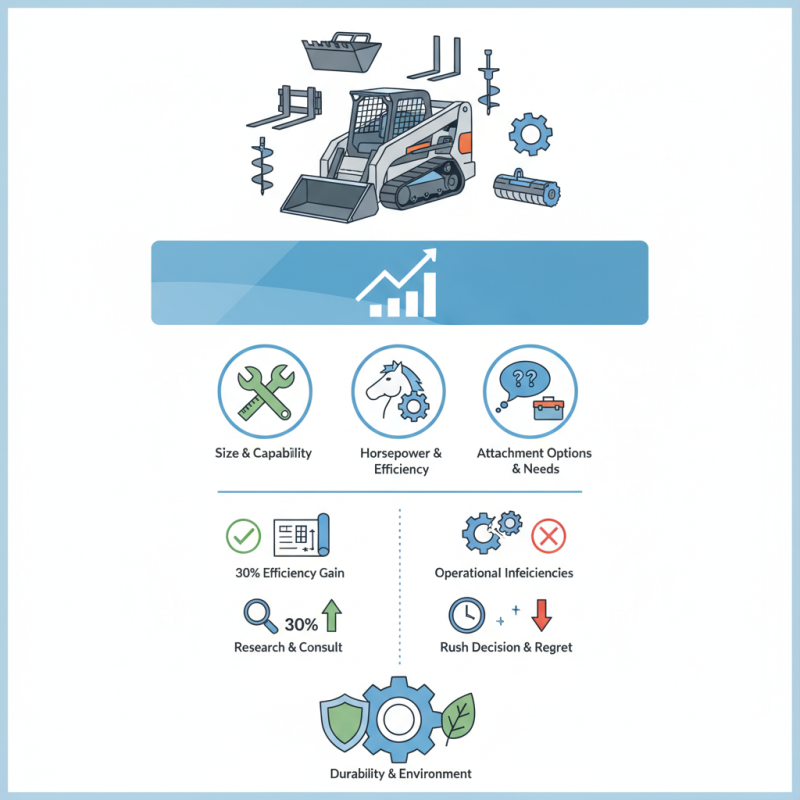
Choosing the ideal Skid Loader requires weighing factors such as size, horsepower, and attachment options. Industry experts recommend carefully assessing the specific tasks your projects entail. A report from iSuppli noted that the right Skid Loader can improve job site efficiency by up to 30%. Yet, many users often overlook the importance of proper training and maintenance, which can lead to operational inefficiencies.
It's essential to consider your unique needs and the operating environment. Some users may rush the decision-making process, focusing solely on price or brand rather than functionality. This can lead to regret later. By investing time in research and expert consultation, you can find a Skid Loader that meets both your immediate and future demands effectively.
What is a Skid Loader: Definition and Key Features
A skid loader, also known as a skid steer, is a versatile piece of machinery. It features a compact design and operates with a unique, skid-steering system. This allows it to maneuver easily in tight spaces. Skid loaders typically come with a variety of attachments, like buckets or forks. These attachments enhance their functionality for different tasks.
When choosing a skid loader, consider your specific needs. Looking for lifting capacity? Analyze the weight of materials you'll handle. Think about the job site. If it's small or crowded, a smaller machine may be a better fit. The lift height is also crucial. Higher lifts increase versatility but may come with trade-offs in stability.
Tips: Always evaluate the terrain where the skid loader will operate. Rocky, uneven ground requires a robust design for stability. Additionally, ensure that operator safety features are reliable. Look for safety certifications and operator training programs.
It’s important to reflect on your experience and comfort level with operating such machinery. Prioritize getting familiar with controls before heavy usage. This can prevent accidents and enhance productivity.
Types of Skid Loaders: Choosing the Right Model for Your Needs
Choosing the right skid loader requires understanding the various types available. There are generally two main categories: wheeled and tracked skid loaders. Wheeled models are perfect for firm surfaces and offer greater speed. They excel in loader applications, but may struggle in muddy or uneven terrains. In contrast, tracked loaders provide better stability and traction. They are ideal for rough or slippery surfaces, making them a solid choice for challenging job sites.
When selecting a skid loader, consider its lifting capacity. If you're lifting heavy materials, opt for a model with higher capacity. Smaller operations may only need a lighter option. Attachments also play a crucial role. Different jobs require different attachments, such as buckets or forks. Evaluate what tools you might need for your specific projects.
Users often find themselves facing challenges in making the right choice. Many regret not analyzing their workspace environment beforehand. Hiring experts can offer insights into equipment suitability. Make sure to test drive a few models. Real-world experience can help clarify any doubts about features and performance. Choose wisely and ensure it aligns with your needs.
Key Specifications to Consider When Selecting a Skid Loader
When choosing a skid loader, key specifications should guide your decision. Lift capacity is crucial; loaders typically range from 600 to 3,800 lbs. A model with sufficient lift capacity ensures efficient handling of heavy materials. Consider the operating weight as well. It affects stability and performance; models generally weigh between 1,500 and 10,000 lbs.
Another significant feature is the hydraulic system. A strong hydraulic flow, typically between 10 and 25 gpm, enhances attachment performance. Attachments like buckets and forks work better with optimal hydraulic capabilities. Depending on your projects, assess tire types as well. Solid tires offer durability, while pneumatic tires provide better traction on uneven surfaces.
Tip: Always evaluate your specific job requirements. This can save you money and time. Selecting the right skid loader can enhance productivity while minimizing operational costs.
Finally, don’t overlook the operating height and width. These factors affect accessibility on different job sites. For compact spaces, choose a loader with a smaller footprint. Sometimes, broader models handle larger loads better. Reflect on where you will be working most frequently. Make sure your choice aligns with your most common job conditions.
Essential Attachments for Skid Loaders to Enhance Versatility
Skid loaders are versatile machines that can be equipped with various attachments for improved functionality. When choosing attachments, consider the primary tasks you plan to tackle. For instance, a bucket attachment is ideal for digging and moving materials like soil or gravel. However, customization doesn’t end there. A grapple attachment can significantly enhance your loader's ability to handle debris and heavy items like logs or rocks.
Beyond buckets and grapples, other attachments can greatly enhance your skid loader's versatility. A snow plow is essential for clearing winter pathways efficiently. Alternatively, a pallet fork allows for easy lifting and transporting of pallets in warehouses or construction sites. However, selecting the right attachment can be challenging. Each choice impacts the loader's performance and durability. It's critical to evaluate your specific needs before making a decision.
Investing in the right attachments means weighing their benefits against your operational requirements. Some may find themselves overwhelmed by the options available. It’s vital to reflect on your work environment and prioritize functionality over trendy choices. Ultimately, the right attachments can transform a basic skid loader into a multifunctional powerhouse.
Maintenance Tips for Keeping Your Skid Loader in Top Condition
Maintaining your skid loader regularly is crucial for its longevity. Regular checks can prevent major repairs and downtime. Pay close attention to the hydraulic system. Look for leaks and ensure fluid levels are adequate. Flushing the hydraulic system once a year is advisable.
Tires are another critical component. Inspect them frequently for wear and tear. Under-inflated tires can lead to uneven wear and costly replacements. Keep a tire pressure gauge handy. Rotate the tires as needed to extend their lifespan.
Don’t overlook routine oil changes. The engine needs clean oil to function efficiently. Change the oil according to the manufacturer’s recommendations. Neglect might result in engine failure, which is expensive to fix. Create a maintenance log. Document actions taken and dates. This can help you identify patterns and prevent future issues.
Remember, a little effort goes a long way in keeping your skid loader in peak condition.