What is a Plastic Recycling Pelletizing Machine and How It Works?
The rising concern over plastic pollution has led to innovative solutions in recycling technology. One such solution is the Plastic Recycling Pelletizing Machine. This machine plays a crucial role in transforming waste plastic into reusable materials. Understanding how it works reveals much about modern recycling efforts.
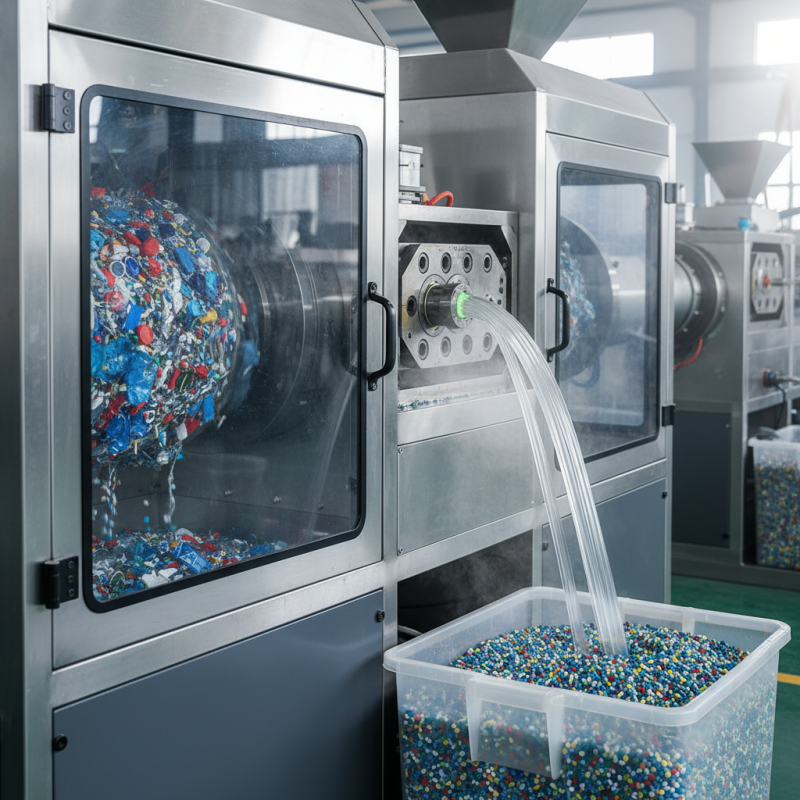
A Plastic Recycling Pelletizing Machine processes various types of plastics. It begins by shredding the plastic waste into smaller pieces. These pieces are then heated and melted down. This process ensures that the materials are ready for the next steps of extrusion and pelletizing. The resulting pellets can be used to create new plastic products, reducing reliance on virgin materials.
Investigating the effectiveness of these machines reveals both strengths and weaknesses. While they significantly contribute to recycling efforts, challenges remain. Not all plastics are suitable for this process. Furthermore, the technology must continually evolve to improve efficiency. The balance between waste management and production efficiency is critical. Understanding these factors positions us to make better decisions regarding plastic recycling.
What is a Plastic Recycling Pelletizing Machine?
Plastic recycling pelletizing machines play a crucial role in the circular economy. These machines convert plastic waste into reusable pellets. They perform this by melting down the materials and extruding them into small, uniform shapes. In 2022, the global plastic recycling market was valued at approximately $39 billion, highlighting its growing importance in waste management.
The process begins with sorting and shredding plastic waste. This ensures that different types of plastics are separated. Once sorted, plastics are melted at controlled temperatures. According to a report by the International Sustainability and Carbon Certification, properly managed systems can increase recovery rates by up to 80%. However, achieving peak efficiency often requires regular maintenance and monitoring.
While pelletizing technology is effective, challenges remain. Contamination in feedstock can lead to uneven quality in the final pellets. Additionally, the energy consumption of these machines can be significant. Reports suggest that energy-efficient designs can reduce consumption by 30%. Ensuring continuous improvement in these areas is essential for the industry’s future sustainability.
The Components of a Plastic Recycling Pelletizing Machine
Plastic recycling pelletizing machines are essential for transforming plastic waste into usable material. Their main components work in harmony to achieve this goal. The machine typically includes a shredder, extruder, and pelletizer, each playing a vital role.
The shredder breaks down large plastic items into smaller pieces. This size reduction is crucial for efficient processing. Next, the extruder melts the shredded plastic and pushes it through a die. This step requires precise temperature control. The melted plastic then cools and solidifies into strands. Lastly, the pelletizer cuts these strands into uniform pellets. This consistency ensures easy handling and further processing.
Each component must be properly maintained. An inefficient shredder can lead to uneven sizes, causing issues downstream. The extruder's performance directly affects the quality of the final pellets. Operators should regularly check for wear and tear. Over time, even the best machines can face challenges. Understanding these components helps operators make informed decisions. It ensures the recycling process remains efficient and sustainable.
How the Pelletizing Process Works in Plastic Recycling
The pelletizing process in plastic recycling converts waste plastic into usable pellets. This method begins with shredding plastic scraps into smaller pieces. Usually, these pieces are around 10 mm in size. The efficiency of this process is crucial. According to the Association of Plastic Recyclers, the global recycling rate for plastics remains around 9%. This highlights the need for advanced pelletizing technology, as many plastics still end up in landfills.
Once shredded, the plastic is heated and melted. This step allows the material to flow more easily through the die, which shapes it into pellets. The temperature typically exceeds 200 degrees Celsius. Maintaining consistent temperatures is essential for quality production. If the heat is uneven, it can affect the final pellet quality.
Cooling follows the extrusion stage. The pellets are cooled quickly in water. This process solidifies the pellets for easier handling. Yet, challenges remain. Inconsistent cooling rates can lead to variations in pellet size and density. Despite advancements, many recycling facilities experience obstacles related to equipment efficiency. Optimizing the pelletizing process is an ongoing concern, as effective recycling technology is vital for reducing plastic waste.
Benefits of Using a Plastic Recycling Pelletizing Machine
A plastic recycling pelletizing machine offers several significant benefits for the environment and industry. First, it effectively reduces plastic waste. By processing discarded plastic, the machine transforms it into small pellets. These pellets can be reused to manufacture new products. This circular approach minimizes pollution and conserves resources, showcasing a commitment to sustainability.
Efficiency is another key benefit. The machine operates at high speeds, allowing for large volumes of plastic to be processed quickly. Companies can produce pellets consistently while lowering operational costs. However, users must ensure that the input materials are clean and sorted properly. Contamination can disrupt the pelletizing process and lead to wasted resources.
Moreover, using these machines promotes innovation in material reuse. Industries can experiment with different plastic types and create varied products. There’s potential for trial and error in the process. Each attempt provides insights into optimizing operations and improving quality. This highlights the need for continuous learning and adaptation within recycling practices.
What is a Plastic Recycling Pelletizing Machine and How It Works? - Benefits of Using a Plastic Recycling Pelletizing Machine
| Feature | Description | Benefits |
| Material Input | Can process various types of plastic waste, such as PET, HDPE, and PVC. | Flexibility to recycle multiple materials, reducing waste. |
| Pelletizing Method | Uses extrusion and cutting processes to form pellets. | Produces uniform pellets, enhancing quality for further manufacturing. |
| Energy Efficiency | Designed to minimize energy consumption during operation. | Reduces operational costs and environmental impact. |
| End Product | Produces high-quality recycled plastic pellets. | Can be reused for producing new plastic products. |
| Environmental Impact | Reduces plastic waste in landfills and oceans. | Contributes to a more sustainable recycling system. |
| Maintenance Requirements | Requires regular checks and cleaning to ensure optimal performance. | Extends machine lifespan and reliability. |
| Market Demand | Growing need for recycled materials across various industries. | Increases profitability due to higher demand for sustainable products. |
Common Applications of Recycled Plastic Pellets
Recycled plastic pellets have various important applications in today’s manufacturing landscape. Industries are increasingly turning to these pellets to reduce plastic waste and energy consumption. According to a report by the Plastics Industry Association, recycling plastic can save up to 75% of energy compared to producing new plastic. This statistic highlights the potential of recycled materials in promoting sustainability.
Common uses for recycled plastic pellets include packaging, automotive parts, and construction materials. In the packaging industry, recycled pellets can create bottles, containers, and even straws. The automotive sector utilizes these materials for interior panels and components, significantly lowering production costs. Moreover, construction effects can be seen as recycled pellets are used in composite lumber and insulation.
The growing demand for sustainable products presents both opportunities and challenges. Manufacturers often face difficulties in ensuring consistent quality of recycled pellets. Variability in the recycling process can lead to differences in material properties. This inconsistency makes it vital to adopt stringent quality control measures. While the benefits of using recycled plastics are clear, ongoing improvements and standards are essential for achieving reliable end products.
Plastic Recycling Pelletizing Machine Usage Statistics