What is the Future of Electric Charging Station Business?
The Electric Charging Station Business is poised for significant growth as the world shifts towards sustainable energy. According to a recent report from BloombergNEF, the number of electric vehicle charging stations is projected to reach 3 million by 2030. This dramatic expansion highlights both challenges and opportunities for businesses in this sector.
Industry expert Dr. Emily Chen notes, "The future of the Electric Charging Station Business depends heavily on strategic investments in infrastructure and technology." As electric vehicle adoption increases, the demand for reliable charging stations will intensify. However, many regions still lack adequate charging infrastructure, presenting a potential barrier to growth.
Moreover, competition in the market is fierce. Companies must innovate and offer user-friendly solutions to attract customers. Current estimates indicate that around 30% of electric vehicle drivers face difficulties in finding available charging stations. Addressing these gaps is crucial for businesses aiming to capitalize on this booming sector. The opportunity is vast, but so are the challenges ahead.
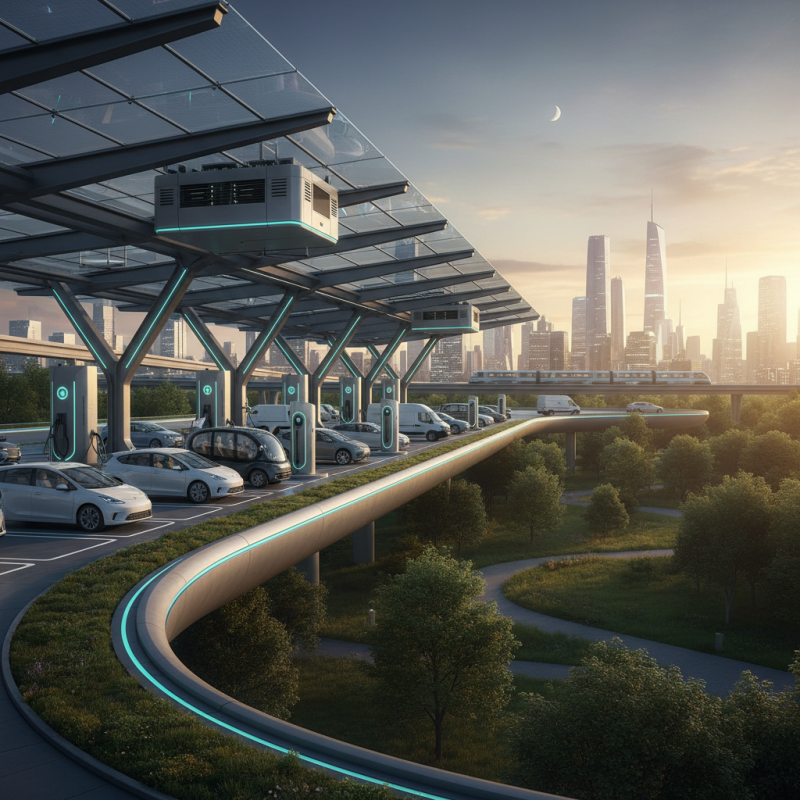
The Current State of Electric Charging Stations in the Market
The electric charging station market is evolving rapidly. Recent studies show a significant increase in the number of charging points worldwide. Cities are investing heavily in infrastructure to support electric vehicles (EVs). This shift reflects a broader commitment to sustainability.
Despite this growth, challenges remain. Many charging stations are concentrated in urban areas, leaving rural regions underserved. This disparity can hinder widespread EV adoption. Moreover, current charging speeds often frustrate users. Long wait times can deter potential EV owners. Addressing these issues is crucial for the industry's future.
The market lacks standardization, complicating user experiences. Different networks and payment systems can confuse drivers. Users often spend time navigating various apps to find compatible stations. Streamlining processes could foster more trust in the electric charging ecosystem. Ultimately, as we look ahead, thoughtful innovation is needed to create a seamless experience for all users.
Emerging Technologies Impacting Electric Charging Infrastructure
The electric charging station business is rapidly evolving, driven by several emerging technologies. According to a report by the International Energy Agency (IEA), the global number of electric vehicle (EV) chargers may reach 2.5 million by 2025. This growth is fueled by advancements in battery technology, which enhance charging speed and efficiency. Fast chargers are becoming more common, significantly reducing wait times for EV owners.
Emerging technologies, such as Vehicle-to-Grid (V2G) systems, are transforming the landscape. These systems allow EVs to return energy to the grid, providing an additional revenue stream for charging station operators. Another innovation is the development of wireless charging stations, eliminating the need for physical connectors. These stations may appeal to consumers looking for convenience.
Tip: Stay informed about regulatory changes regarding EV infrastructure. Policies can shape the market landscape.
However, not all developments come without challenges. The infrastructure's growth depends on collaboration among stakeholders. Utility companies and charging station developers must work together to address issues related to energy supply and distribution. Furthermore, the uneven distribution of charging stations can hinder EV adoption in certain areas.
Tip: Consider investing in regions with high EV growth potential. Demand is increasing in urban areas and regions with supportive policies.
Factors Driving the Growth of Electric Vehicle Charging Stations
The surge in electric vehicle (EV) ownership is driving the growth of electric vehicle charging stations. Governments worldwide are offering incentives to promote EV adoption. This push creates a robust market for charging infrastructure. Urban areas are seeing a demand for more charging points, profoundly impacting urban planning. Key trends include fast-charging technology and integration with renewable energy sources.
Tips: Location matters. Placing charging stations near popular destinations boosts usage. Additionally, consider how the station’s design fits the environment. Aesthetic appeal can attract more users.
Consumers are increasingly aware of sustainability. This awareness drives them to choose electric vehicles over traditional ones. However, some regions still lack adequate charging infrastructure. This gap can discourage potential EV buyers. Addressing these challenges through smart planning is crucial for future growth.
Tips: Engage the local community. Gather feedback on where charging stations are most needed. This input ensures effective placement and higher usage rates.
Challenges Facing the Electric Charging Station Business Sector
The electric charging station business is rapidly evolving. However, it faces significant challenges that could impact its growth. High installation costs for charging infrastructure present a major hurdle. Many operators struggle to justify the initial investments. Fast-charging stations demand advanced technology, which can be pricey. This complexity can deter potential investors.
Regulatory issues also complicate the landscape. Inconsistent policies across regions create uncertainty. Operators often find it challenging to navigate an array of local and national regulations. This confusion may inhibit expansion efforts and stall growth in crucial areas.
Tips: Consider forming partnerships with local governments. This strategy can streamline the licensing process. Engaging in community programs may enhance your visibility and improve public acceptance. Stay informed about emerging technologies and regulations to remain competitive. Adaptability is vital for overcoming these challenges. Building a resilient business model will enable you to thrive in this dynamic sector.
Future of Electric Charging Station Business: Challenges and Growth Potential
Future Trends and Predictions for Electric Charging Networks
The future of electric charging networks is expected to evolve rapidly. According to a report by the International Energy Agency (IEA), the number of electric vehicle (EV) charging stations could reach over 10 million by 2030. This increase is driven by rising global EV adoption, which is projected to hit 230 million vehicles by 2030. As more consumers shift to electric vehicles, the demand for reliable and accessible charging stations will continue to grow.
One emerging trend is the integration of renewable energy sources into charging stations. The World Economic Forum highlights that solar-powered charging facilities are becoming more common. These stations can harness natural energy, reducing costs and promoting sustainability. However, the infrastructure to support such technology still faces hurdles. Not all regions have the grid capability for large-scale solar installations. Moreover, inconsistent energy policies can create uncertainty for investors.
Another critical factor is charging speed. Fast chargers are essential for user convenience. Studies reveal that faster charging can significantly enhance the user experience. Yet, the development of ultra-fast charging stations remains limited. High installation costs and regulatory challenges often slow progress. Stakeholders must navigate these barriers to accelerate infrastructure growth effectively. Robust and widely available charging networks are crucial for the long-term success of the electric vehicle market.
What is the Future of Electric Charging Station Business?
| Year | Number of Charging Stations | Market Growth Rate (%) | Projected Revenue (USD Billion) | Main Charging Technology |
| 2023 | 150,000 | 25% | 10 | DC Fast Charging |
| 2024 | 200,000 | 30% | 15 | Wireless Charging |
| 2025 | 300,000 | 35% | 25 | Ultra-Fast Charging |
| 2026 | 450,000 | 40% | 40 | Battery Swapping |
| 2027 | 600,000 | 45% | 60 | Autonomous Charging |