What to Know About Commercial Ev Charger Installation?
As electric vehicle (EV) adoption rises, the demand for Commercial Ev Charger Installation is escalating. According to a 2023 industry report by the International Energy Agency, global EV sales reached 10 million units, highlighting the growing need for charging infrastructure. Establishing efficient charging solutions is crucial to accommodating this growth.
Experts like Dr. Emily Carter, a leading figure in sustainable technology, emphasize the importance of proper installation. She said, “Implementing reliable charging stations can drive EV market growth and influence consumer adoption.” The challenges in Commercial EV Charger Installation include site assessment, power supply evaluation, and adherence to local regulations.
These factors are vital for success. While many businesses face hurdles in the initial setup, the long-term benefits are substantial. Investing in Commercial EV Charger Installation not only enhances customer experience but also supports an eco-friendly future. Reflecting on these aspects can guide businesses to make informed decisions in a rapidly evolving landscape.
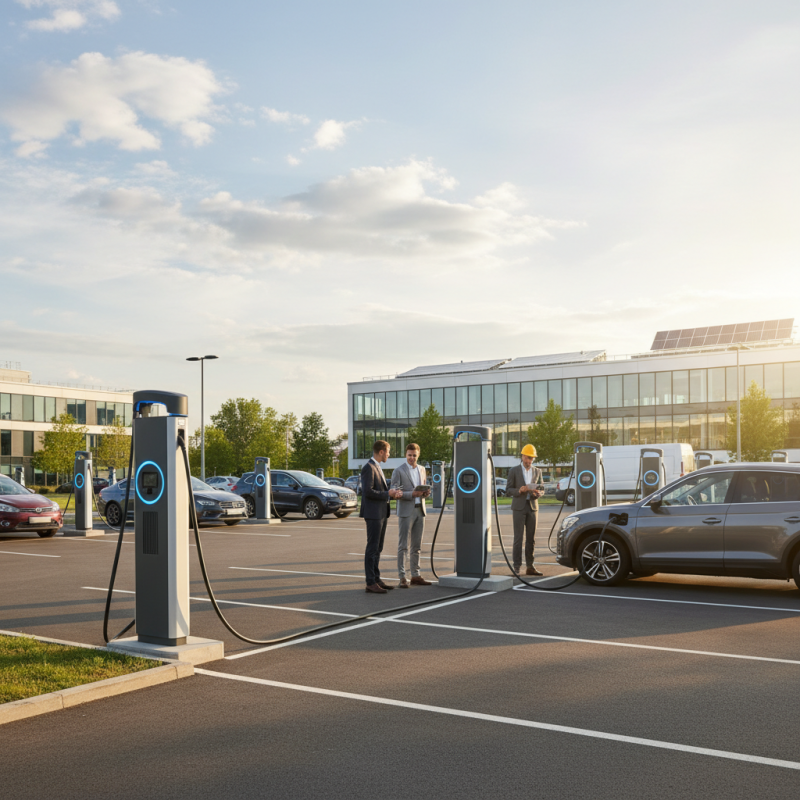
Understanding Commercial EV Charger Types and Specifications
When considering commercial EV charger installations, understanding the types and specifications is crucial. There are three main types of EV chargers: Level 1, Level 2, and DC fast chargers. Level 1 chargers use a standard 120V outlet, suitable for overnight charging but slow in delivery. Level 2 chargers typically run on 240V and offer faster charging, ideal for commercial settings. DC fast chargers deliver rapid charging, significantly reducing downtime but requiring substantial infrastructure investment.
According to a recent report by the International Energy Agency, the number of public EV chargers globally exceeded 1.3 million in 2021. This trend reflects the growing demand for accessible charging solutions. A well-planned installation is necessary to meet this demand effectively.
Tips:
- Evaluate your site's electricity capacity.
- Understand local regulations to ensure compliance.
- Consider future growth, as EV adoption rates are expected to increase significantly, necessitating more charging stations.
- Many businesses overlook the maintenance aspect. Regular checks can prevent costly repairs and downtime.
- Investing in quality chargers can lead to long-term benefits, despite the initial higher cost.
Key Considerations for Site Assessment and Planning
When planning for commercial EV charger installation, a thorough site assessment is critical. Start by evaluating the electric capacity of your property. Check if the existing infrastructure can support additional chargers. This step can prevent future power issues that may arise during peak usage times.
Another key consideration is the location of the chargers. Ideally, they should be easily accessible and positioned near parking spaces. Visibility can enhance usage and maximize convenience for EV drivers. However, be mindful of local regulations. Some areas have specific guidelines regarding charger placement and accessibility.
Lastly, don’t overlook the importance of user experience. Think about the flow of traffic around the charging stations. Poor design could lead to chaos during busy periods. Gathering feedback from potential users can highlight areas for improvement. Understanding their needs may reveal insights that you hadn't considered, leading to better design and utility.
Steps for Permitting and Compliance in Charger Installation
Installing commercial EV chargers involves careful consideration of permitting and compliance. According to the U.S. Department of Energy, 40% of EV charging installations face delays primarily due to permitting issues. Understanding local regulations is crucial. Each municipality may have unique requirements, leading to potential complications.
You'll often need to submit site plans and electrical calculations. Local governments usually require this for compliance. Finding out details can be tedious. Some companies report an average waiting time of six weeks just to receive a permit approval. Engaging local authorities early in the process can help minimize delays. Collaboration with these officials leads to smoother installations.
Beyond permits, compliance with the National Electric Code (NEC) is paramount. This code outlines safety requirements critical for installations. Regular inspections ensure adherence to NEC guidelines. Skipping these inspections can lead to costly fines. The Electric Vehicle Infrastructure Deployment Plan emphasizes the importance of safety. Ensuring robustness in the installation process reflects a company's commitment to quality and safety. While challenges exist, thorough planning can enhance the success of your EV charger deployment.
What to Know About Commercial EV Charger Installation - Steps for Permitting and Compliance in Charger Installation
| Steps | Description | Estimated Time | Cost |
| Site Assessment | Evaluate the location for power supply and accessibility. | 1 week | $500 - $1,000 |
| Select Charger Type | Choose the appropriate EV charger based on the needs. | 2 days | $1,000 - $6,000 |
| Permitting | Obtain necessary permits from local authorities. | 2-4 weeks | $100 - $500 |
| Installation | Install the EV chargers at the designated location. | 1-2 days | $1,000 - $3,000 |
| Compliance Check | Ensure installation meets all compliance regulations. | 1 week | $200 - $800 |
| Final Inspection | Conduct a final inspection to ensure everything is operational. | 1 day | $0 - $300 |
Installation Process: Best Practices and Safety Measures
When considering commercial EV charger installation, understanding the best practices and safety measures is crucial. A recent report indicates that proper installation can enhance charger performance by 30%. This highlights the importance of following industry guidelines closely to ensure optimal functionality.
To begin, evaluate the location for installation. The site should have sufficient electrical capacity and easy access for maintenance. Engaging a certified electrician familiar with EV systems is essential. They can ensure compliance with local codes. Safety measures must also be prioritized. Proper grounding and surge protection are critical to prevent electrical hazards. Regular inspections of the equipment can further mitigate risks.
Tips: Always use equipment that meets industry standards. This reduces potential malfunctions. Additionally, provide clear signage to guide users. This can prevent accidents and ensure efficient charging. Lastly, consider user feedback for ongoing improvement. Understanding their experiences can fine-tune overall installation effectiveness.
Commercial EV Charger Installation: Key Factors
Maintenance and Upgrades for Commercial EV Charging Stations
Maintaining commercial EV charging stations is crucial for ensuring reliability and efficiency. Regular inspections can help identify issues early. It's essential to check the cables, connectors, and charging units. Dust and debris can accumulate and affect performance.
Tips: Schedule monthly inspections. Keep a maintenance log to track issues.
Upgrading equipment is equally important. Charging technology is rapidly evolving. Newer models may offer faster charging and improved features. Consider integrating software updates for monitoring energy consumption or usage statistics.
Tips: Stay informed about industry trends. Consult professionals for advice on the best upgrades.
Fostering a maintenance routine ensures that charging stations are available when needed. Neglecting upkeep can lead to costly repairs and downtime. Engaging with service providers can enhance efficiency but requires careful selection. Balancing cost with quality is essential for long-term satisfaction.