2026 How to Choose the Right Dry High Intensity Magnetic Separator?
Choosing the right Dry High Intensity Magnetic Separator (DHIMS) can significantly impact your operations. This equipment is pivotal in separating magnetic materials from non-magnetic ones. Understanding how to select the best one is essential for maximizing efficiency.
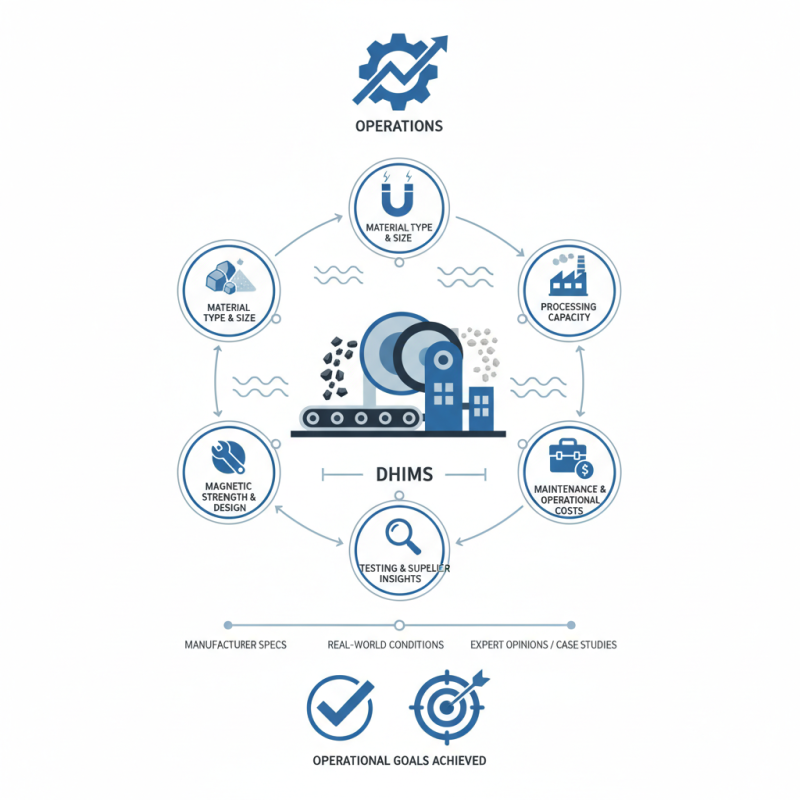
When evaluating a DHIMS, consider the type and size of the materials you are working with. The magnetic strength and design of the separator must fit your specific requirements. Factors such as processing capacity and maintenance needs also play a crucial role.
Many users overlook operational costs and long-term performance. Relying on manufacturer specifications can sometimes lead to underperformance in real-world conditions. It's vital to test equipment under actual working scenarios. Engaging with trusted suppliers can provide invaluable insights. Always seek expert opinions and real-case studies to make informed choices. This approach ensures the chosen Dry High Intensity Magnetic Separator aligns with your operational goals.
Understanding the Basics of Dry High Intensity Magnetic Separators
Dry high intensity magnetic separators (DHIMS) play an important role in various industries. Understanding how these devices work can enhance processing efficiency. They are designed to separate magnetic materials from non-magnetic ones using a high magnetic field. This separation is crucial in recycling and mineral processing.
When selecting a DHIMS, efficiency is key. Look for models that have high magnetic field strength, typically ranging from 10,000 to 20,000 gauss. This ensures effective separation of fine materials. Also, consider the size of the separator. A larger unit may handle higher volumes, but it can be costlier and more complex to maintain.
However, challenges exist. Not all materials react equally to magnetic separation. Variability in material properties can lead to suboptimal results. Operators need to test different configurations before settling on the best setup. Continuous monitoring is essential to ensure effective operation. Failure to address these aspects can result in wasted resources or reduced product quality.
Key Factors in Selecting the Right Magnetic Separator for Your Needs
Choosing the right dry high intensity magnetic separator requires careful consideration of several key factors. One major element is the material type you are working with. Different materials respond differently to magnetic forces. Understanding the magnetic properties of your feed material ensures optimal separation efficiency.
Another critical aspect is the desired separation size. Are you targeting fine or coarse materials? The separator's design may vary significantly based on this requirement. It's vital to assess the throughput capacity as well. Some entities underestimate the impact of capacity on overall operation and efficiency.
Additionally, consider the operating conditions. Dry magnetic separation might be affected by humidity and temperature. Not all separators perform equally in varying environmental conditions. Always review the specifications in relation to your operational challenges. This reflection can lead to better decision-making and operational efficiency in the long run.
Evaluating the Performance Metrics of Dry High Intensity Magnetic Separators
When evaluating the performance metrics of dry high intensity magnetic separators, several factors come into play. Key metrics include magnetic field strength, separation efficiency, and material handling capacity. Understanding these factors can guide you in selecting the right separator for your needs.
Magnetic field strength is crucial. It directly affects how well the separator can extract magnetic materials from the feed. Higher strength generally leads to better separation, but it may not always be necessary. Sometimes, lower strength can suffice for less challenging materials.
Tips: Always consider the specific characteristics of the materials you are working with. Test samples with different strengths to see what works best. Understanding your material will help avoid unexpected challenges in the separation process.
Separation efficiency measures how effectively the separator removes unwanted materials. It's important to review the separator's performance in real-world applications. Sometimes, lab results don’t reflect actual operation. If you're unsure, reach out to industry experts for insights.
Additionally, evaluate the separator's capacity. This metric indicates the maximum volume it can process. Balancing capacity with separation accuracy is key.
Too much capacity may lead to poor separation results. Always analyze trade-offs between these metrics before making a decision.
Examining the Role of Material Properties in Separator Selection
When selecting a dry high intensity magnetic separator, understanding material properties is crucial. Different materials exhibit unique magnetic responses. Variables such as particle size, composition, and magnetic susceptibility affect separation efficiency. For instance, materials with high magnetic susceptibility are more easily diverted to the separator.
Additionally, moisture content plays a significant role. Dry separators function best with low moisture levels. If the material retains excess moisture, it can clump together, reducing efficiency. It’s vital to consider the operational environment. Variations in temperature and pressure can alter material behavior during separation.
There are challenges in assessing these properties accurately. Testing may require specialized equipment and expertise. Without precise data, selecting the right separator becomes a guessing game. Collaborating with engineers can help bridge knowledge gaps. Their expertise in material science can aid in making informed decisions. Understanding these nuances is essential for effective magnetic separation.
2026 How to Choose the Right Dry High Intensity Magnetic Separator? - Examining the Role of Material Properties in Separator Selection
| Material Type | Magnetic Susceptibility (×10-6) | Purity Requirement (%) | Particle Size (µm) | Recommended Separator Type |
| Iron Ore | 15 | 98 | 50 | Wet High Intensity Separator |
| Bauxite | 8 | 95 | 150 | Dry High Intensity Separator |
| Tungsten Ore | 12 | 99 | 100 | Induced Roll Separator |
| Magnetite | 20 | 97 | 80 | Crossbelt Separator |
| Cobalt | 10 | 96 | 200 | High Gradient Separator |
Analyzing Cost Efficiency and Longevity in Magnetic Separator Choices
When selecting a dry high intensity magnetic separator, cost efficiency and longevity should be at the forefront of your considerations. It’s essential to analyze the total cost of ownership. Initial prices can be misleading. A cheaper separator might require frequent repairs or replacements. Over time, these costs can outpace your savings.
Longevity also influences operational workflows. A durable separator can boost productivity. Look for materials that resist wear and tear. Maintenance requirements should also be low. Frequent upkeep not only costs money but can interrupt operations. Choose models designed for easy maintenance. This impacts your overall productivity positively.
Moreover, consider the technological aspects that enhance efficiency. A high-performance separator typically offers better separation at lower energy costs. This balance is crucial in a competitive market. However, not every advanced feature lends increased value. Review each feature critically. Ensure that they align with your operational needs. Ultimately, the right choice balances upfront costs with long-term benefits and reliability.
2026 Magnetic Separator Cost Efficiency Analysis