How to Choose Automatic Bar Screen for Wastewater Treatment?
In the realm of wastewater treatment, choosing the right equipment is crucial. An Automatic Bar Screen plays a vital role in the preliminary treatment stage. This technology effectively removes solids from wastewater flows, enhancing efficiency and protecting downstream processes. According to a recent industry report, about 30% of equipment failures in wastewater facilities stem from inadequate screening.
The selection of an Automatic Bar Screen involves multiple factors, including screen type, operational flow rates, and maintenance needs. Data shows that proper selection can boost treatment efficiency by up to 25%. For instance, the right screen size and spacing can significantly reduce wear and tear on pumps and other machinery, leading to lower operational costs.
However, the market also presents challenges. Many facilities overlook specific site conditions, which can lead to poor performance. This oversight can compromise the overall treatment process, introducing unnecessary risks. Therefore, it is essential to evaluate each option critically. Investing time in choosing the ideal Automatic Bar Screen for Wastewater Treatment can yield long-term benefits.
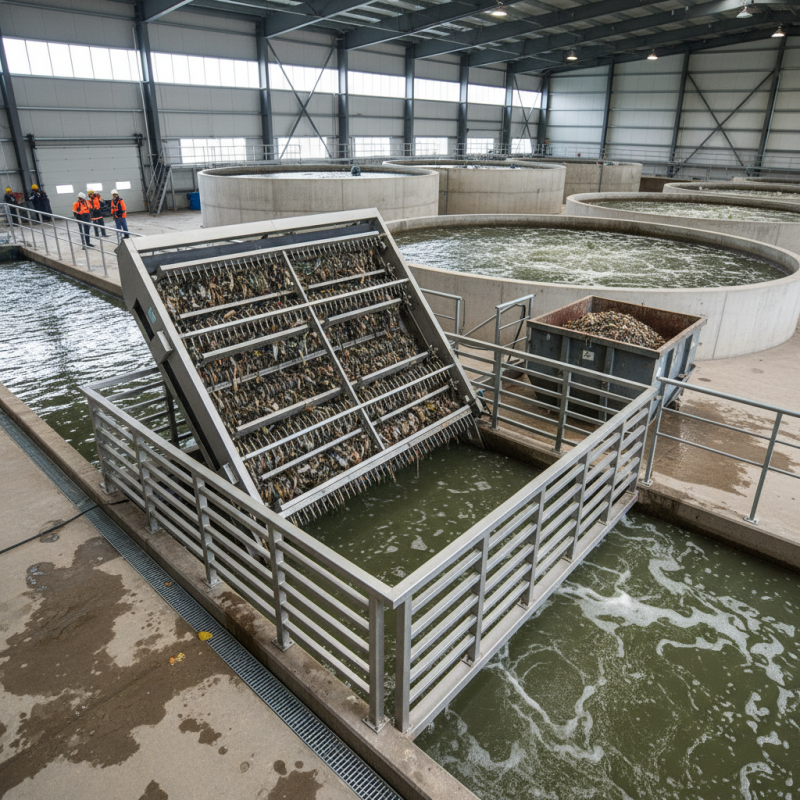
Factors Influencing the Selection of Automatic Bar Screens
When selecting an automatic bar screen for wastewater treatment, several factors come into play. The type of wastewater significantly influences the choice. Different industries produce diverse waste types, from large solids to fine particles. Understanding the specific contaminants in your water helps in selecting the right screen. A heavy-duty screen may be necessary for industrial plants, while a finer mesh might suffice for municipal waste.
The sizing of the bar screen is also crucial. Proper sizing ensures efficient operation and minimizes maintenance needs. Incorrect sizing can lead to blockages or inadequate filtration. It's essential to calculate flow rates accurately. Environmental conditions can affect the screen's performance as well. High quantities of debris may require more robust materials or a higher tolerance to abrasion.
Installation and operational costs should be considered too. Automatic bar screens can vary in price. Assessing the long-term operational efficiency against initial costs is vital. Budget constraints may lead one to overlook essential features. Proper training for operators is another aspect often underestimated. Investing in user training enhances the system's effectiveness and durability. Each choice carries weight, highlighting the complexity of this decision.
Understanding the Types of Automatic Bar Screens Available in Market
When selecting an automatic bar screen for wastewater treatment, understanding the types available is crucial. Bar screens primarily come in two forms: coarse and fine. Coarse screens typically feature larger openings, efficiently removing large debris from incoming water. Fine screens have smaller openings, capturing finer particles, making them ideal for further treatment processes.
These screens utilize different mechanisms. Some employ mechanical rakes to scrape debris off the bars, while others use a rotating drum design. Each design has its advantages. Mechanical rakes offer simplicity but may require more maintenance. Rotating drums often provide a continuous process. However, if not properly maintained, they can become inefficient.
Consideration of installation size and capacity is essential. Screens must fit your specific needs. Too small a screen can lead to clogs, while oversized options may be unnecessary and expensive. It is also wise to look into materials. Stainless steel options provide durability but can be costly. Plastic alternatives are lighter but might suffer over time. Always weigh the operational costs against your filtration needs.
Key Performance Metrics for Evaluating Bar Screens in Wastewater Systems
When evaluating bar screens for wastewater treatment, several key performance metrics come into play. These screens are essential for removing large solids from wastewater. Their effectiveness directly impacts downstream processes such as sedimentation and biological treatment. Important metrics include flow capacity, capture rate, and maintenance frequency. High flow capacity ensures optimal performance even during peak wastewater events.
Tips: Look for a bar screen that accommodates your facility's peak flow. This reduces the risk of bypassing untreated water, which can harm the environment.
Another critical metric to assess is the capture rate. This refers to the percentage of solids retained by the screen. A higher capture rate ensures better water quality. However, screens with very high capture rates may require frequent cleaning. This can lead to increased operational costs.
Tips: Balance solid retention with the frequency of maintenance. Choose a model that fits your operational requirements and budget.
Lastly, assess the technology behind the bar screen. Automatic systems often come with sensors and controls that improve efficiency. Yet, these systems can be complex. Understanding the technology helps in making informed choices.
Tips: Ensure your staff is trained to handle the technology. Regular training can prevent operational hiccups and improve performance.
Cost-Benefit Analysis of Different Automatic Bar Screen Models
When selecting an automatic bar screen for wastewater treatment, understanding the cost-benefit ratio is crucial. Various models come with different price tags, which can significantly impact your budget. An inexpensive model might save you money upfront but could lead to higher maintenance costs later. On the other hand, a more expensive unit might have features that enhance efficiency and reduce long-term expenditures.
Assessing the effectiveness of each model is vital. Some screens may have higher initial costs but offer advanced technology that improves performance. Features like self-cleaning mechanisms can prevent clogs, reducing downtime. However, not every model fits all situations. Some wastewater facilities may face unique challenges that require specialized options.
It's also worth considering the reliability of materials used in construction. Cheaper materials might corrode quickly, leading to frequent replacements. Balancing initial costs with long-term durability is essential. Conducting a thorough analysis of the long-term benefits may reveal that higher investments with reputable designs yield the best overall value in the long run. Always seek insights from professionals to guide your decision-making process.
Cost-Benefit Analysis of Different Automatic Bar Screen Models
Maintenance Requirements for Automatic Bar Screens in Wastewater Treatment
When selecting automatic bar screens for wastewater treatment, maintenance is crucial. Regular checks are needed to ensure optimal performance. According to industry reports, approximately 30% of wastewater treatment failures result from inadequate maintenance of screening equipment. This highlights the importance of an effective maintenance schedule.
Hydraulic systems and mechanical components require constant attention. Operators must inspect for debris accumulation and wear on moving parts routinely. Reports indicate that screens should be cleaned daily to prevent clogs. Not addressing these issues can lead to costly downtimes. Maintenance activities should include lubrication, replacing worn-out parts, and monitoring electrical systems.
Staff training is another key factor. Lack of knowledge can lead to improper handling of automatic bar screens. Regular training sessions can enhance staff understanding of operational requirements. Investing in education pays off. A well-maintained system reduces operational costs by up to 25%. However, some facilities overlook maintenance, often leading to unexpected failures. A proactive approach ensures continuous operation, reducing the risk of system breakdowns.